

Art Therapy Retreats in Morocco: Healing Through Craft in Fes
What if I told you that sometimes all it takes to feel calmer, more focused, and emotionally refreshed is a simple creative session with clay? No complicated treatments, no endless self-help routines—just your hands, a piece of earth, and the freedom to create. It may sound surprising, but art therapy through traditional crafts has helped countless people reduce stress, reconnect with themselves, and find a sense of balance in an increasingly hectic world.
In today’s fast-paced society, filled with endless notifications, demanding schedules, and constant digital distractions, many people are searching for something deeper than a typical vacation. Rather than simply escaping daily stress, travelers are increasingly seeking meaningful experiences that nurture their mental well-being, spark creativity, and encourage personal growth.
This shift has fueled the growing popularity of art therapy retreats and creative wellness travel. Unlike conventional holidays focused solely on sightseeing, these retreats invite participants to slow down, embrace mindfulness, and engage in hands-on activities that promote relaxation, self-expression, and emotional healing.
Few destinations are better suited to this transformative journey than Morocco. Renowned for its rich artistic heritage, vibrant artisan traditions, and centuries-old craftsmanship, Morocco offers an inspiring setting where creativity becomes a pathway to wellness. At the heart of this cultural treasure lies Fes, the country’s historic center of arts and crafts and one of the most captivating places to experience healing through creativity.
Whether you’re shaping clay on a pottery wheel, discovering the beauty of traditional Moroccan ceramics, or learning the intricate art of zellige mosaic making, creative workshops in Fes offer far more than a cultural experience. They provide a unique opportunity to disconnect from everyday pressures, immerse yourself in the present moment, and experience the therapeutic power of creating something meaningful with your own hands.
In this guide, we’ll explore how art therapy retreats in Morocco blend wellness, creativity, and cultural immersion, why pottery is increasingly recognized as a powerful tool for mindfulness and emotional well-being, and why Fes is becoming a top destination for travelers seeking healing through craft.
What Is Art Therapy and Why Does It Work?
When people hear the term art therapy, they often assume it is only for artists or individuals dealing with serious emotional challenges. In reality, art therapy is much broader and more accessible than many realize. At its core, it is the practice of using creative activities to improve mental, emotional, and even physical well-being.
Art therapy is based on a simple idea: creating something with your hands allows you to express thoughts and feelings that may be difficult to put into words. The process itself becomes a form of communication, reflection, and healing. Whether you are painting, sculpting clay, drawing, or crafting mosaics, the focus is not on producing a masterpiece but on engaging fully in the creative experience.
One of the reasons art therapy is so effective is that it naturally encourages mindfulness. As your attention shifts to the texture of clay, the movement of your hands, or the details of a pattern, worries about the past and future begin to fade. This state of focused awareness helps reduce stress, quiet mental clutter, and create a sense of calm that many people struggle to find in their daily lives.
Research has shown that creative activities can help lower anxiety levels, improve mood, and increase feelings of self-confidence and accomplishment. The act of making something tangible also provides a sense of control and achievement, which can be especially valuable during periods of stress, burnout, or life transitions.
Perhaps most importantly, art therapy does not require any artistic talent. You do not need to be a painter, sculptor, or designer to experience its benefits. The healing comes from the process of creation itself, not from the final result. Every shape, texture, and imperfect detail becomes part of a personal journey toward greater self-awareness and well-being.
This is why traditional crafts such as pottery have become increasingly popular within wellness retreats around the world. Working directly with natural materials engages the senses, encourages presence, and offers a powerful reminder that creativity is something everyone can access, regardless of experience or skill level.
Why Morocco Is Becoming a Destination for Wellness and Creative Retreats
Over the past decade, the way people travel has begun to change. More travelers are moving away from packed itineraries and fast-paced sightseeing in favor of experiences that promote relaxation, personal growth, and meaningful cultural connections. This shift has fueled the global wellness travel movement, with increasing numbers of people seeking destinations where they can slow down, recharge, and return home feeling genuinely refreshed.
Morocco has emerged as one of the most compelling destinations for this new style of travel. While the country has long been celebrated for its stunning architecture, colorful souks, and rich history, visitors are increasingly discovering another side of Morocco: its ability to inspire creativity, mindfulness, and self-discovery.
Part of Morocco’s appeal lies in its unique atmosphere. Ancient medinas, traditional artisan workshops, tranquil riads, and centuries-old craft traditions create an environment that feels far removed from the pressures of modern life. Here, creativity is woven into everyday culture. Potters shape clay using techniques passed down through generations, artisans carefully assemble intricate zellige mosaics, and craftsmen dedicate countless hours to perfecting their work. Observing and participating in these traditions encourages visitors to slow down and appreciate the value of patience, focus, and intentional creation.
Unlike many wellness retreats that focus solely on yoga, meditation, or spa treatments, creative retreats in Morocco offer something different. They combine the restorative benefits of mindfulness with the satisfaction of learning a traditional skill. Participants don’t just relax—they actively engage in a creative process that fosters self-expression, concentration, and personal achievement.
The country’s diverse landscapes further enhance the experience. From the peaceful courtyards of historic riads to the inspiring atmosphere of ancient cities like Fes, Morocco provides countless opportunities to disconnect from digital distractions and reconnect with what truly matters. This blend of culture, creativity, and wellness is what makes Morocco increasingly attractive to travelers seeking more than a conventional holiday.
For those looking to experience healing through art, Morocco offers a rare combination of authenticity and inspiration. It is a place where ancient traditions are still alive, where craftsmanship is deeply respected, and where the simple act of creating something with your hands can become a powerful tool for relaxation, reflection, and personal growth.
Why Fes Is the Perfect Setting for an Art Therapy Retreat
If Morocco is a destination for creative healing, then Fes is its beating heart. Often considered the cultural and artistic capital of the country, Fes has spent more than a thousand years preserving traditions that continue to inspire artisans, travelers, and creators from around the world.
Unlike modern cities built around speed and convenience, Fes invites visitors to slow down. The city’s ancient medina, one of the largest car-free urban areas in the world, is a place where craftsmanship remains part of daily life. As you wander through its narrow streets, you’ll encounter pottery workshops, mosaic studios, metalworkers, woodcarvers, and textile artisans practicing skills that have been passed from one generation to the next. Creativity isn’t confined to museums here, it exists around every corner.
This immersive artistic environment makes Fes uniquely suited for an art therapy retreat. Simply observing artisans at work can be calming and inspiring. Watching a potter carefully shape clay or a craftsman assemble hundreds of tiny zellige pieces into a geometric masterpiece reminds us of the value of patience, focus, and mindful attention to detail.
The city also offers a sensory experience unlike any other. The vibrant colors of handmade ceramics, the rhythmic sounds of craftsmen at work, and the rich textures found throughout the medina create an atmosphere that naturally stimulates creativity. For many visitors, Fes becomes a place where inspiration flows more easily and everyday worries begin to fade into the background.
Another reason Fes is ideal for creative wellness experiences is its authenticity. While many retreat destinations focus on creating artificial environments for relaxation, Fes offers something genuine. The traditions, workshops, and artisan communities are not tourist attractions created for visitors, they are living parts of the city’s identity. Participating in these crafts allows travelers to connect not only with their own creativity but also with a cultural heritage that has endured for centuries.
Perhaps most importantly, Fes encourages presence. In a world dominated by screens and constant distractions, spending time shaping clay, painting pottery, or learning traditional techniques helps shift attention away from external pressures and back toward the simple experience of creating. This ability to fully engage with the present moment is one of the key reasons why craft-based activities are so effective for reducing stress and improving emotional well-being.
For travelers seeking a destination that combines culture, creativity, mindfulness, and personal growth, few places can match what Fes has to offer. It is a city where art is not merely observed, it is experienced, practiced, and felt, making it the perfect setting for a transformative art therapy retreat.
Art Therapy Pottery Sessions in Fes
Join our therapy pottery sessions in Fes and experience the calming power of working with clay in a traditional Moroccan setting.
The Therapeutic Power of Pottery
Among all creative activities used in wellness and art therapy programs, pottery holds a special place. There is something uniquely calming about working with clay. The moment your hands touch the soft, natural material, your attention begins to shift away from daily worries and toward the simple act of creating. This is one reason pottery has become one of the most popular forms of creative therapy around the world.
Unlike many activities that demand constant mental effort, pottery encourages a slower, more mindful pace. Whether you’re kneading clay, shaping a bowl on a pottery wheel, or adding decorative details by hand, each step requires focus and presence. As your mind becomes absorbed in the process, stress and distractions gradually fade away, creating a state often referred to as “flow”—a feeling of complete immersion in an activity.
This flow state is one of the reasons pottery is so effective for reducing anxiety and improving emotional well-being. When individuals are fully engaged in creating, they experience fewer racing thoughts and a greater sense of calm. Many people describe pottery as a form of moving meditation, where repetitive hand movements and tactile sensations help quiet the mind.
Working with clay also provides a powerful sensory experience. The texture of the material, the pressure applied by your hands, and the transformation from a simple lump of earth into a finished piece all stimulate the senses in a way that promotes grounding and mindfulness. For individuals dealing with stress, burnout, or emotional overwhelm, this sensory connection can be incredibly therapeutic.
Another important aspect of pottery therapy is the acceptance of imperfection. Clay does not always behave exactly as planned. Pieces may lean, crack, or develop unexpected characteristics during the creative process. Learning to embrace these imperfections can be a valuable lesson in self-compassion and resilience. Rather than striving for perfection, participants learn to appreciate the beauty of uniqueness and progress.
Pottery also offers a rare sense of accomplishment. In a world where much of our work exists digitally, creating a tangible object with your own hands can feel deeply rewarding. Every finished bowl, plate, vase, or decorative piece becomes a visible reminder of time spent focused, present, and creative.
In Fes, this therapeutic experience becomes even more meaningful. The city’s centuries-old pottery traditions connect participants to a craft that has been practiced for generations. Learning from skilled artisans and working with techniques rooted in Moroccan heritage adds a cultural dimension to the healing process, transforming a simple pottery session into an experience of mindfulness, creativity, and personal discovery.
It’s no surprise that many travelers who join pottery workshops in Fes arrive expecting a cultural activity and leave feeling something much deeper: calmer, more centered, and inspired by the simple power of creating with their own hands.
Healing Through Traditional Moroccan Crafts
While pottery is often the centerpiece of creative wellness experiences in Fes, it is only one part of a much larger artistic tradition. Morocco is home to some of the world’s most remarkable crafts, many of which require patience, concentration, and hands-on creativity, the very qualities that make artistic activities so beneficial for mental and emotional well-being.
Engaging with these traditional crafts allows participants to experience mindfulness in a natural and enjoyable way. Instead of focusing on productivity or perfection, the emphasis shifts toward the process itself: observing, learning, creating, and appreciating each small step along the journey.
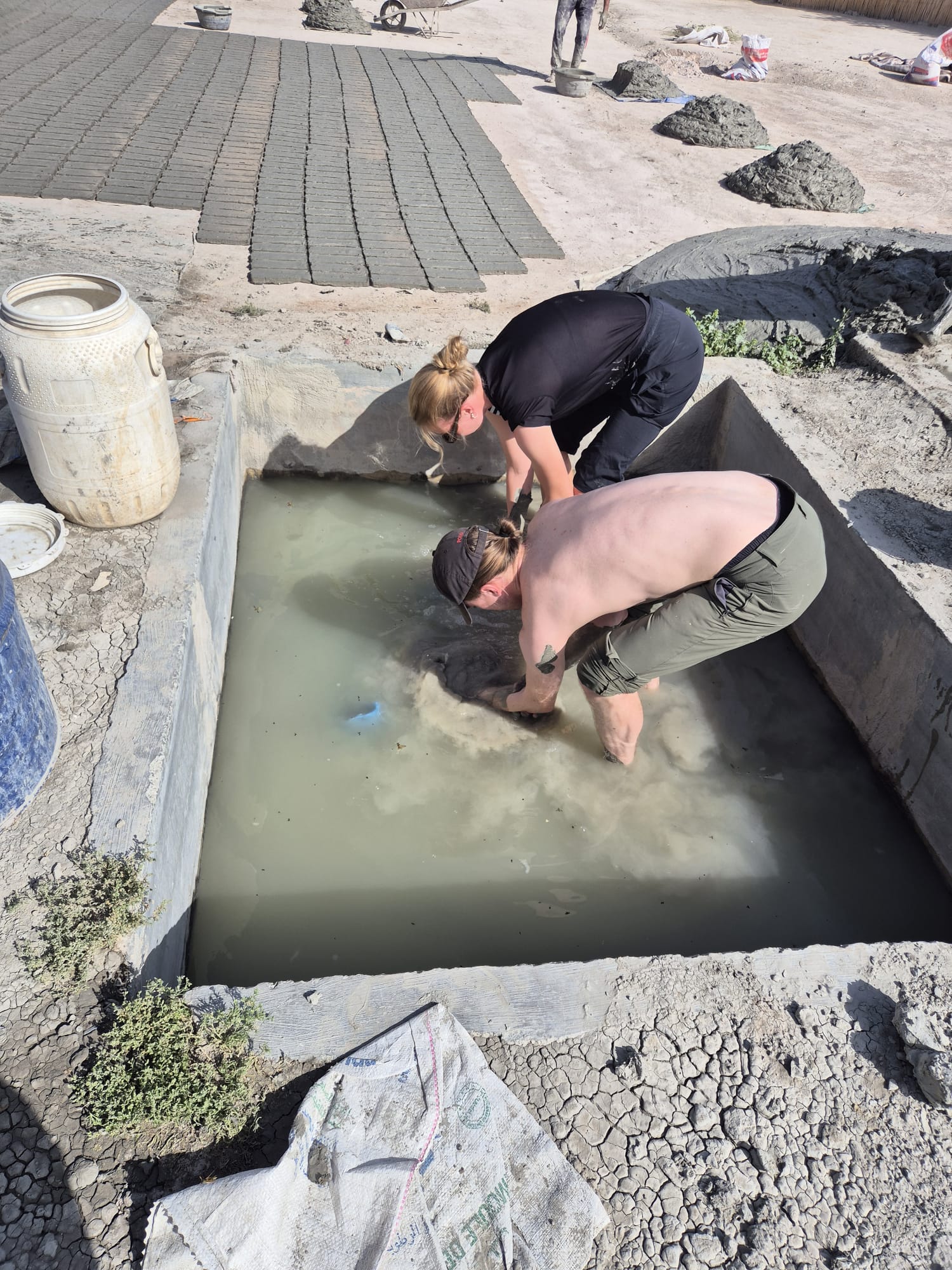
Pottery and Ceramics: Finding Calm Through Clay
Moroccan pottery is one of the country’s most celebrated art forms, and Fes has long been recognized as a center of ceramic craftsmanship. Working with clay encourages focus, patience, and sensory awareness. Every movement, from shaping the clay to painting intricate designs, requires attention to the present moment.
The process teaches an important lesson that extends beyond the workshop: meaningful results often emerge slowly, through patience and practice rather than instant gratification. For many participants, this simple realization can be both calming and empowering.
Zellige Mosaic: The Art of Patience and Precision
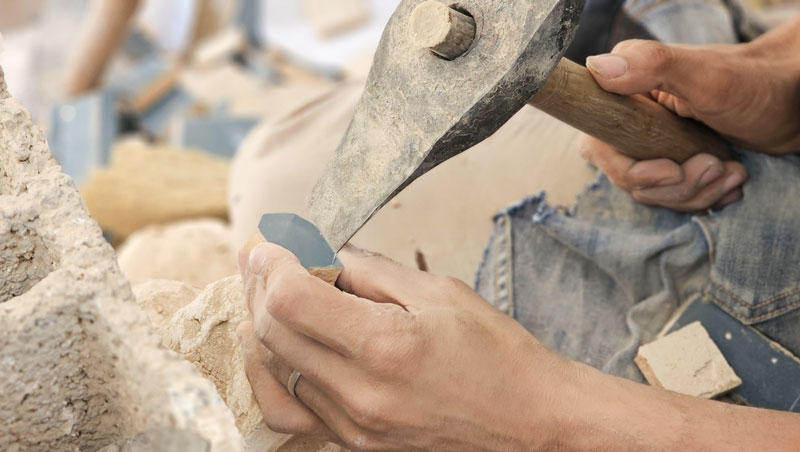
Another iconic Moroccan craft is zellige, the intricate mosaic art that decorates palaces, mosques, fountains, and historic buildings throughout the country. Creating a zellige pattern involves carefully arranging individual hand-cut tiles into complex geometric designs.
The repetitive and detail-oriented nature of this work can be surprisingly meditative. As participants focus on shapes, patterns, and symmetry, outside distractions fade away. Many people find that the concentration required for mosaic-making creates a sense of mental clarity similar to that achieved through meditation.
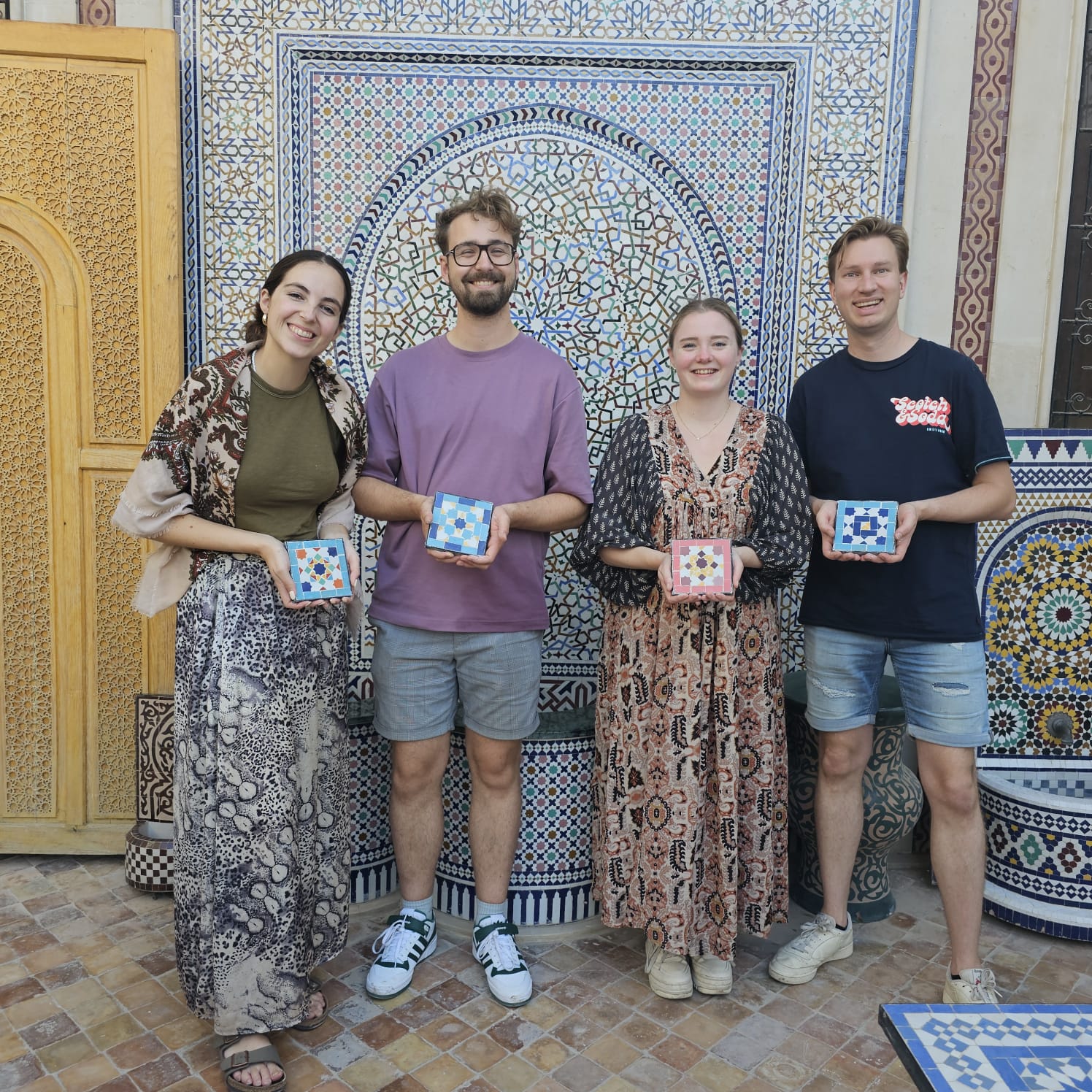
Traditional Pattern Design and Creative Expression
Moroccan art is filled with geometric motifs, floral patterns, and symbolic designs that have evolved over centuries. Learning about these visual traditions and incorporating them into your own creative projects provides an opportunity for personal expression while also connecting with a rich cultural heritage.
Unlike activities driven by strict rules or expectations, artistic exploration encourages curiosity and experimentation. Participants are free to interpret designs in their own way, fostering confidence and creative freedom.
Learning Directly from Local Artisans
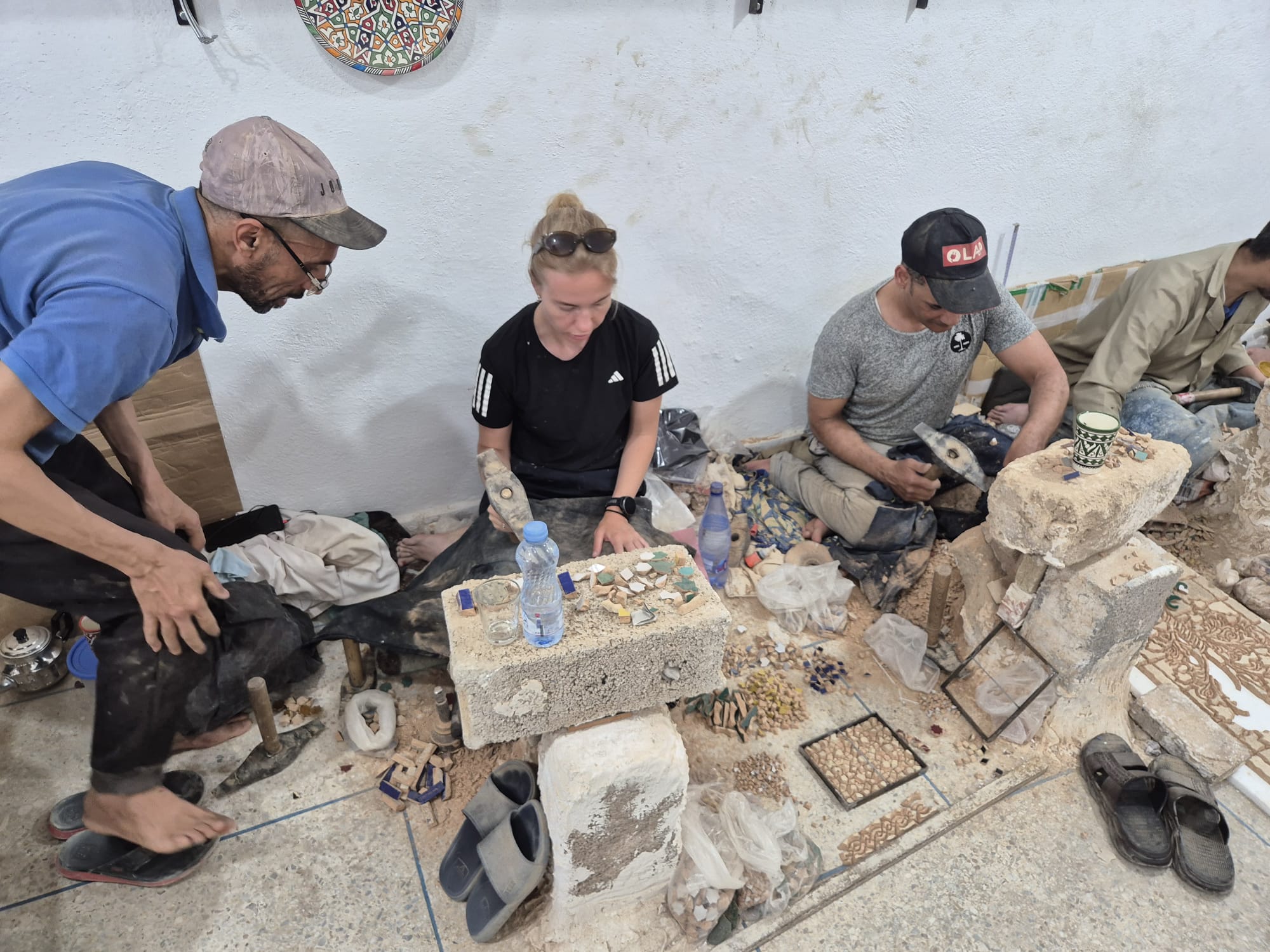
One of the most rewarding aspects of a creative retreat in Fes is the opportunity to learn from master artisans who have dedicated years, sometimes decades, to their craft. Their knowledge extends beyond technical skills; they embody values such as patience, discipline, attention to detail, and pride in meaningful work.
Observing these artisans can be inspiring in itself. Their calm focus and commitment to the creative process serve as a reminder that craftsmanship is not only about producing beautiful objects but also about cultivating presence and purpose.
More Than a Workshop—A Cultural Connection
Traditional Moroccan crafts offer something that many modern wellness activities cannot: a deep connection to history, culture, and community. Every ceramic pattern, mosaic tile, and handcrafted piece reflects generations of knowledge and artistic expression.
By participating in these creative traditions, travelers become more than observers. They become active participants in a living heritage, gaining not only new skills but also a greater appreciation for the value of slowing down, creating intentionally, and finding joy in the process itself.
This unique combination of creativity, mindfulness, and cultural immersion is what makes traditional Moroccan crafts such a powerful tool for healing and self-discovery.
What Happens During an Art Therapy-Inspired Retreat in Fes?
Many people hear the phrase art therapy retreat and imagine formal therapy sessions or structured psychological exercises. In reality, most creative wellness retreats in Fes focus on something much simpler: creating space for mindfulness, self-expression, and personal reflection through traditional crafts and cultural experiences.
While every retreat is different, the experience typically combines hands-on creative activities, cultural immersion, and moments of quiet reflection designed to help participants slow down and reconnect with themselves.
Morning Mindfulness and Creative Preparation
A typical day often begins at a relaxed pace. Instead of rushing from one activity to another, participants are encouraged to ease into the day with intention. This may involve enjoying a peaceful breakfast in a traditional riad, spending time journaling, practicing gentle mindfulness exercises, or simply observing the calm atmosphere of Fes before the city becomes busy.
These quiet moments help create the mental space needed for creativity to flourish.
Hands-On Pottery Sessions
The heart of many art therapy-inspired retreats is the creative workshop itself. Participants work directly with clay under the guidance of experienced artisans, learning techniques that have been passed down through generations.
The focus is not on producing perfect results. Instead, attention is placed on the experience of shaping, molding, and creating. As hands move through the clay, many participants notice that their thoughts become quieter and their attention naturally shifts toward the present moment.
For some, this becomes one of the most relaxing parts of the entire retreat.
Exploring Traditional Artisan Workshops
Beyond pottery, retreats often include visits to local workshops where travelers can observe traditional crafts being practiced throughout the medina. Watching artisans create ceramics, zellige mosaics, wood carvings, and textiles offers valuable insight into the patience and dedication behind Morocco’s artistic heritage.
These experiences inspire participants to approach their own creative work with greater curiosity and less pressure to achieve perfection.
Reflective Creative Exercises
Many retreats incorporate opportunities for reflection alongside hands-on activities. Participants may spend time sketching designs, documenting their experiences through writing, discussing insights with fellow travelers, or simply reflecting on the emotions that arise during the creative process.
These moments help transform artistic activities into meaningful personal experiences rather than simple workshops.
Cultural Immersion and Personal Growth
One of the most distinctive aspects of a creative retreat in Fes is the opportunity to engage deeply with local culture. Exploring the historic medina, meeting artisans, learning about traditional craftsmanship, and experiencing Moroccan hospitality all contribute to a sense of connection and discovery.
This cultural immersion often becomes an important part of the healing process. Stepping outside familiar routines and embracing new perspectives encourages personal growth, openness, and self-awareness.
A Different Kind of Transformation
Unlike traditional vacations that focus primarily on entertainment, an art therapy-inspired retreat offers something more lasting. Participants often return home with handcrafted pieces they created themselves, but the true takeaway goes far beyond pottery or mosaics.
They leave with new skills, renewed creativity, reduced stress, and a deeper appreciation for the value of slowing down and being fully present. In a world that constantly demands attention, that simple shift in perspective can be profoundly transformative.
Start Your Pottery Workshop Today
Join our pottery and zellige workshops in Fes and discover how working with clay and traditional crafts can bring calm, focus, and creativity into your travel experience.
Who Can Benefit Most from an Art Therapy Retreat?
One of the greatest misconceptions about art therapy retreats is that they are only for artists or highly creative individuals. In reality, these experiences are designed for anyone seeking a healthier relationship with stress, a deeper connection with themselves, or simply a more meaningful way to travel.
You don’t need artistic talent, prior experience, or special skills to benefit from creative wellness activities. The value lies in the process of creating, not in the final result. Whether you’re shaping your first piece of clay or exploring traditional Moroccan crafts for the first time, the experience can be surprisingly rewarding.
Burned-Out Professionals
Many professionals spend their days in front of screens, managing deadlines, meetings, and constant streams of information. Over time, this can lead to mental fatigue and burnout.
Art therapy-inspired retreats provide a rare opportunity to step away from these pressures and engage in something entirely different. Working with your hands, focusing on a creative task, and slowing down your pace can help restore mental clarity and reduce stress levels.
Digital Nomads and Remote Workers
While remote work offers flexibility, it can also blur the boundaries between professional and personal life. Many digital nomads find themselves constantly connected, rarely taking time to fully disconnect.
A creative retreat in Fes offers a chance to unplug, immerse yourself in a new culture, and replace screen time with hands-on experiences that encourage presence and mindfulness.
Solo Travelers Seeking Meaningful Experiences
Solo travel is often associated with self-discovery, and creative retreats can enhance that journey. Participating in pottery workshops and artisan experiences provides opportunities for reflection, learning, and genuine connection with local culture.
Many solo travelers appreciate the supportive and welcoming environment these experiences create, making it easier to meet like-minded people while exploring their own creativity.
Creative Professionals Looking for Inspiration
Designers, writers, photographers, architects, and other creative professionals often experience periods of creative fatigue. Spending time in Fes, surrounded by centuries of artistic tradition, can be an incredible source of inspiration.
The city’s vibrant colors, intricate patterns, handcrafted ceramics, and rich cultural heritage frequently spark new ideas and perspectives that participants carry back into their personal and professional lives.
People Navigating Life Transitions
Periods of change, whether related to career, relationships, personal goals, or major life decisions, can feel overwhelming. Creative activities provide a constructive outlet for processing emotions and exploring new possibilities.
Many people find that working with clay and engaging in mindful artistic practices helps them gain perspective, reduce anxiety, and reconnect with what matters most.
Anyone Looking to Reduce Stress and Improve Well-Being
Perhaps the simplest answer is that almost anyone can benefit from an art therapy retreat. You don’t need to be facing a major challenge or searching for a profound transformation.
Sometimes the greatest benefit comes from something as simple as slowing down, creating with your hands, and spending time fully immersed in the present moment. In today’s fast-moving world, that alone can feel remarkably healing.
Creativity Is for Everyone
The beauty of creative wellness experiences is their accessibility. There are no grades, competitions, or expectations. Every participant arrives with a different background, personality, and skill level, yet everyone can experience the calming and restorative effects of making something with their own hands.
Whether you’re seeking relaxation, inspiration, personal growth, or simply a unique cultural experience, an art therapy retreat in Fes offers an opportunity to reconnect with creativity, and with yourself, in a way that few other travel experiences can match.
Art Therapy Retreats vs Regular Vacations
Most vacations are designed to help us escape. We leave our daily routines behind, visit new places, enjoy good food, take photographs, and return home with memories of the experience. While these trips can certainly be enjoyable, their effects are often temporary. Within days of returning, many people find themselves slipping back into the same habits, stress levels, and routines they hoped to leave behind.
Art therapy retreats offer a different approach.
Rather than focusing solely on entertainment or relaxation, these experiences are designed to encourage personal growth, mindfulness, and emotional well-being. The goal isn’t simply to take a break from life; it’s to return to life feeling more balanced, inspired, and connected to yourself.
Passive Observation vs Active Participation
Traditional tourism often involves observing. You visit historical sites, admire local culture, and watch demonstrations from a distance.
Creative retreats invite you to become an active participant. Instead of merely looking at beautiful Moroccan pottery, you learn how to shape clay yourself. Rather than admiring intricate zellige mosaics, you gain firsthand experience with the techniques and patience required to create them.
This active engagement creates deeper memories and a stronger emotional connection to the experience.
Escaping Stress vs Learning to Manage It
A typical vacation may temporarily remove you from stressful situations, but it doesn’t necessarily change how you respond to stress once you return home.
Art therapy-inspired activities help participants develop practical tools for relaxation and mindfulness. The focus, patience, and presence cultivated through creative work can continue to benefit daily life long after the retreat has ended.
Consuming Experiences vs Creating Something Meaningful
Many vacations revolve around consuming experiences, visiting attractions, trying new foods, or checking destinations off a list.
Creative retreats emphasize making rather than consuming. Participants leave with handmade pottery, mosaics, or artistic creations that serve as tangible reminders of their journey. More importantly, they leave with the satisfaction that comes from building something with their own hands.
Temporary Enjoyment vs Lasting Impact
Both traditional vacations and creative retreats can be enjoyable, but their long-term effects are often very different.
A pottery workshop completed during a retreat may inspire a lifelong hobby. Learning mindfulness through creative practice can lead to healthier ways of managing stress. Connecting with artisans and local traditions can reshape how we think about craftsmanship, patience, and the value of slowing down.
These experiences often continue influencing participants long after the trip itself is over.
Which Experience Is Right for You?
There is nothing wrong with a traditional vacation. Sometimes we simply need rest, adventure, or a change of scenery.
However, if you’re looking for something more meaningful, an experience that combines travel, creativity, cultural immersion, and personal well-being, an art therapy retreat offers a unique alternative. It allows you to explore a destination while also exploring your own creativity, mindfulness, and capacity for growth.
In places like Fes, where artistic traditions remain deeply woven into everyday life, that journey becomes even more powerful. You don’t just visit the culture, you become part of it, one handcrafted piece at a time.
Why Pottery Is One of the Most Powerful Healing Crafts
Among all the traditional crafts you can experience in Morocco, pottery stands out as one of the most deeply grounding and emotionally restorative. It is simple in concept, earth, water, and hands—but profoundly rich in its impact on the mind and body.
There is a reason pottery has been used in therapeutic and educational settings around the world. It naturally brings people into the present moment, slows down racing thoughts, and encourages a gentle, focused rhythm that feels almost meditative.
The Connection Between Earth and Creativity
Working with clay creates a rare physical connection to natural materials. Unlike digital or abstract creative processes, pottery is fully tactile. You feel the weight, temperature, and texture of the earth as it transforms under your hands.
This physical interaction helps anchor attention in the present moment. Many participants describe it as a grounding experience, something that reconnects them not only to creativity, but also to a sense of stability and calm.
Embracing Imperfection as Part of the Process
One of the most powerful lessons pottery teaches is that imperfection is not failure, it is part of creation.
Clay does not always behave as expected. A bowl may become uneven, a shape may shift unexpectedly, or a surface may crack during drying. Instead of resisting these outcomes, pottery encourages acceptance and adaptation.
This mindset often extends beyond the workshop. Participants begin to view mistakes in daily life with more compassion, understanding that progress is rarely linear and that imperfections often add character and meaning.
A Natural Entry Into Flow State
Psychologists often refer to “flow” as a mental state of complete absorption in an activity. In this state, time feels slower, distractions fade, and focus becomes effortless.
Pottery is one of the most effective ways to enter this state. The combination of repetitive movement, sensory engagement, and creative decision-making gently draws the mind into deep concentration without force or pressure.
For many people, this becomes one of the most relaxing and refreshing parts of their entire travel experience.
Rebuilding Focus in a Distracted World
Modern life is filled with constant interruptions, notifications, emails, and digital noise. Over time, this can make it difficult to sustain attention or feel mentally present.
Pottery offers a quiet contrast. It requires patience and sustained focus, helping participants rebuild their ability to concentrate on a single task. Even a short session can feel like a reset for the mind.
Creating Something That Lasts
Unlike many wellness practices that end when the session is over, pottery leaves you with something tangible. A handmade bowl, vase, or decorative piece becomes a physical reminder of the experience.
More importantly, it becomes a symbol of what you were able to create in a calm, focused state of mind. Long after the retreat ends, that object can serve as a reminder of what it feels like to slow down, create with intention, and be fully present.
Why Fes Elevates the Experience
In Fes, pottery is not just an activity, it is a living tradition. Generations of artisans have shaped the city’s identity through ceramics, passing down techniques that remain largely unchanged for centuries.
Learning pottery in this environment adds depth and meaning to the experience. You are not just practicing a craft; you are stepping into a cultural legacy where creativity, patience, and craftsmanship are deeply respected.
This connection between place, tradition, and creative practice is what makes pottery in Fes especially powerful as a healing experience.
What Happens During an Art Therapy-Inspired Retreat in Fes?
An art therapy-inspired retreat in Fes is less about structured therapy sessions and more about creating the right environment for creativity, mindfulness, and personal reflection to naturally unfold. The experience is designed to slow down the pace of daily life and replace it with hands-on creative engagement, cultural discovery, and moments of quiet awareness.
While each retreat varies depending on the program, most follow a similar rhythm that blends artistic practice with immersion in Moroccan culture.
A Gentle Start to the Day
Mornings typically begin slowly, without pressure or strict schedules. Participants might wake up in a traditional riad, enjoy a calm breakfast, and take time to settle into the day.
This unhurried start is intentional. It helps participants shift away from the urgency of modern routines and into a more present, mindful state of mind, an important foundation for creative work.
Immersive Hands-On Craft Sessions
The core of the retreat experience revolves around creative workshops. These sessions often include pottery, zellige mosaic making, or other traditional Moroccan crafts led by experienced artisans.
Instead of focusing on perfection or performance, the emphasis is placed on the process. Participants are encouraged to explore materials freely, make mistakes, and discover their own creative rhythm.
As the hands become engaged, the mind naturally begins to quiet. Many participants find that hours pass without noticing, as they become fully absorbed in the act of creating.
Learning Through Observation and Practice
A key part of the experience is learning directly from local artisans. Watching them work provides insight into centuries-old techniques and a different way of approaching creativity, one that values patience, repetition, and attention to detail.
Participants then apply what they observe in their own practice, gradually developing skills while also absorbing the deeper philosophy behind the craft.
Cultural Exploration of Fes
Beyond the workshops, retreats often include guided exploration of the Fes medina. Walking through its narrow streets reveals a living museum of craftsmanship, where artisans continue to work in traditional ways passed down through generations.
These moments of exploration add context to the creative experience, helping participants understand how deeply art and daily life are intertwined in Moroccan culture.
Reflection and Creative Expression
Many retreats also include space for reflection. This may involve journaling, informal group discussions, sketching ideas, or simply sitting quietly with the experience.
These reflective moments help participants process what they are learning—not just about craft techniques, but about themselves. Creativity becomes a mirror for thoughts, emotions, and personal insights.
A Balanced Experience of Activity and Stillness
One of the strengths of an art therapy-inspired retreat is its balance. Active creative sessions are complemented by periods of rest, observation, and reflection.
This rhythm allows participants to avoid overwhelm and instead gradually build a deeper connection to both the creative process and their inner state.
More Than a Workshop
By the end of the retreat, participants often realize they have experienced something more profound than a simple craft workshop. They leave with handmade pieces, but also with a renewed sense of clarity, calm, and creative confidence.
In Fes, where artistic traditions are deeply rooted in everyday life, this experience feels especially authentic. It is not about escaping reality, but about learning a slower, more mindful way of engaging with it.
Who Can Benefit Most from an Art Therapy Retreat?
Art therapy retreats in Fes are designed to be inclusive, accessible, and welcoming to all levels of experience. There is a common misconception that creative retreats are only suitable for artists or highly creative individuals, but in reality, these experiences are most powerful for people who do not consider themselves artistic at all.
The purpose of these retreats is not to produce perfect artwork, but to create space for relaxation, mindfulness, and personal connection through hands-on creative activity.
People Experiencing Stress or Burnout
One of the most common groups drawn to art therapy retreats are individuals dealing with stress, burnout, or mental fatigue. Modern lifestyles often involve long hours, constant digital engagement, and little time for rest.
Working with clay or engaging in traditional crafts offers a break from this cycle. The slow, tactile nature of creative work helps calm the nervous system and encourages a more grounded state of mind.
Professionals Seeking Balance
Busy professionals, especially those in high-pressure roles, often struggle to disconnect from work mentally, even during time off. Creative retreats offer a structured way to step away from productivity and focus on presence instead.
By engaging in hands-on activities, participants shift from thinking mode to doing mode, which can be deeply refreshing for an overworked mind.
Travelers Looking for Meaningful Experiences
Not all travel is about sightseeing. Many travelers today are searching for experiences that feel meaningful, immersive, and emotionally enriching.
Art therapy-inspired retreats provide exactly that. Instead of passively observing a destination, participants actively engage with local culture, traditions, and creative practices, creating a deeper and more memorable connection to the place.
Beginners With No Artistic Background
Perhaps the most important group is beginners. You do not need any artistic training or experience to benefit from these retreats.
In fact, having no expectations can make the experience even more freeing. Without pressure to perform, participants are more likely to enjoy the process, experiment openly, and fully embrace the creative journey.
Creative Individuals Seeking Inspiration
Writers, designers, photographers, and other creative professionals often turn to retreats when they feel stuck or uninspired. Being immersed in a visually rich and culturally vibrant environment like Fes can reignite creativity in unexpected ways.
Exposure to traditional Moroccan patterns, colors, and craftsmanship often sparks new ideas and perspectives that extend far beyond the retreat itself.
Individuals in Life Transitions
Times of change, whether personal, emotional, or professional, can feel uncertain and overwhelming. Creative practices offer a gentle way to process these transitions without pressure or judgment.
Working with your hands can create space for reflection, helping individuals reconnect with themselves and gain clarity during periods of change.
Anyone Seeking Calm and Presence
At its core, an art therapy retreat is for anyone who wants to slow down. You do not need a specific reason or challenge to participate.
Sometimes the greatest benefit comes simply from stepping away from routine, engaging in a creative process, and allowing yourself to be fully present in the moment.
Creativity Has No Requirements
One of the most powerful aspects of these retreats is their accessibility. There are no grades, no expectations, and no right or wrong outcomes. Every participant brings their own perspective, pace, and personality to the experience.
In this environment, creativity becomes something universal, available to everyone, regardless of skill or background, and often reveals a sense of calm and confidence that participants did not expect to find.
Planning Your Creative Wellness Journey to Fes
Turning the idea of an art therapy-inspired retreat into a real experience starts with thoughtful planning. Fes is a city that rewards slow travel, curiosity, and openness to new experiences, so preparing in the right way can significantly shape the depth of your journey.
Unlike typical vacations where schedules are packed with attractions, a creative retreat works best when there is space—space to create, reflect, rest, and absorb the rhythm of the city.
The Best Time to Visit Fes
Fes can be visited year-round, but the most comfortable seasons for a retreat experience are spring and autumn. During these periods, the weather is mild enough to enjoy both indoor workshops and outdoor exploration of the medina without feeling rushed or physically drained.
Warmer months can still be enjoyable, especially for indoor pottery and mosaic sessions, but slower pacing becomes even more important.
How Long Should a Retreat Be?
A meaningful creative experience does not need to be long, but it does need enough time to settle.
Short stays of 2–3 days can introduce you to pottery or zellige workshops, but a longer stay of 5–7 days allows the experience to deepen. Over time, participants typically move from curiosity to comfort, and from observation to genuine creative flow.
This gradual transition is where the most reflective and calming effects often emerge.
What to Expect Emotionally and Mentally
Many people arrive expecting a cultural activity and leave with something more internal: a shift in mindset.
The first stage is usually curiosity, everything feels new, unfamiliar, and visually rich. As the days progress, this often evolves into focus and immersion, especially during hands-on creative sessions.
By the end of the experience, many participants describe a sense of mental clarity, emotional lightness, and renewed creativity that extends beyond the workshop itself.
What to Pack for a Creative Retreat
Practical preparation is simple. Comfortable clothing is essential, especially for pottery sessions where movement and flexibility matter more than appearance.
It is also helpful to bring a journal for reflection, as many participants find themselves processing thoughts and insights throughout the experience. Most importantly, bringing an open mindset, without expectations of perfection, makes the entire journey more rewarding.
Choosing the Right Workshop Experience
Not all creative experiences are the same. Some focus more on pottery technique, while others emphasize cultural immersion or combined crafts like zellige and ceramics.
When choosing a workshop in Fes, it helps to consider what you are most drawn to: hands-on physical creation, artistic detail work, or a broader cultural experience that includes artisan visits and storytelling.
The best experiences are often those that balance learning with freedom, guidance from artisans, but space for personal exploration.
A Journey That Extends Beyond Travel
While the physical journey ends when you leave Fes, the internal experience often continues long after.
Many participants notice subtle changes in their daily lives: a greater ability to slow down, a renewed interest in creative expression, or simply a stronger awareness of how it feels to be present.
In this way, planning a creative retreat is not just about organizing a trip. It is about creating conditions for a different kind of experience, one that stays with you well beyond the return home.
Frequently Asked Questions About Art Therapy Retreats in Morocco
As interest in wellness travel and creative retreats continues to grow, many people have similar questions before deciding whether this kind of experience is right for them. Below are some of the most common questions about art therapy-inspired retreats in Fes and Morocco.
Do I need artistic experience to join a retreat?
No. Prior artistic experience is not required at all. In fact, many participants have never worked with clay or traditional crafts before arriving. The focus is on the process, not the result, so beginners are not only welcome, they are often the ones who benefit the most.
Is art therapy the same as a workshop?
Not exactly. While workshops teach practical skills such as pottery or mosaic making, art therapy-inspired retreats place greater emphasis on mindfulness, emotional well-being, and the experience of creating. The creative activity becomes a tool for relaxation and reflection, rather than just skill-building.
How does pottery help with stress and anxiety?
Pottery encourages focus, patience, and sensory engagement. The tactile nature of clay helps shift attention away from overthinking and into the present moment. This often creates a calming effect similar to meditation, making it a powerful tool for reducing stress and mental fatigue.
Can a short trip still be meaningful?
Yes. Even a short stay of a few days can be impactful, especially if it includes immersive, hands-on creative sessions. However, longer stays generally allow more time for deeper relaxation, skill development, and cultural immersion.
Is Fes safe for solo travelers?
Fes is a well-known destination for cultural tourism and is generally welcoming to solo travelers, including those joining workshops or retreats. As with any historic city, it is always recommended to stay aware of your surroundings and choose guided experiences when exploring the medina for the first time.
What should I expect emotionally during the retreat?
Many participants experience a gradual shift from curiosity to calm focus, and eventually to a sense of clarity or emotional lightness. The combination of creative activity, cultural immersion, and slower pacing often creates space for reflection and personal insight.
What makes Moroccan pottery and crafts unique?
Moroccan crafts are deeply rooted in centuries of tradition. Techniques are often passed down through generations, and each region has its own distinctive styles, patterns, and materials. In Fes, pottery and mosaic work are especially renowned for their precision, symbolism, and artistic heritage.
Will I bring something home from the experience?
Yes. One of the most meaningful aspects of these retreats is that you leave with handmade pieces created during your sessions. These objects serve as personal reminders of your time in Fes and the creative process you experienced.
Is this type of retreat only about relaxation?
No. While relaxation is a key benefit, many participants also describe feelings of inspiration, personal reflection, and renewed creativity. The experience often goes beyond relaxation into deeper self-awareness and mindset shifts.
Can this experience help with burnout?
While it is not a medical treatment, many people experiencing burnout find creative retreats helpful as a restorative break. The combination of hands-on activity, mindfulness, and cultural immersion can support mental rest and emotional balance.
A Simple Way to Reconnect
At its core, an art therapy-inspired retreat in Morocco is not about complexity. It is about simplicity, working with your hands, slowing your pace, and allowing yourself to be present in a new environment.
For many travelers, that simplicity is exactly what makes the experience so powerful.
Conclusion
Art therapy-inspired retreats in Fes offer far more than a creative getaway. They provide an opportunity to slow down, reconnect with yourself, and experience the therapeutic power of traditional Moroccan craftsmanship. Through activities such as pottery and zellige mosaic making, participants engage in mindful creation that encourages focus, relaxation, and personal reflection.
What makes Fes unique is the authenticity of its artistic heritage. Here, creativity is not simply an activity for visitors—it is a living tradition that has been passed down through generations. By participating in these crafts, travelers become part of a cultural experience that is both meaningful and deeply enriching.
The value of such a retreat extends beyond the time spent in workshops. The patience, presence, and sense of calm developed through the creative process often continue to influence daily life long after the journey ends. Whether you are seeking stress relief, inspiration, cultural immersion, or a renewed sense of balance, Fes provides an environment where creativity and well-being naturally come together.
Ultimately, the true gift of an art therapy retreat is not the object you create, but the experience of being fully present while creating it. In a fast-paced world, that simple act can be both restorative and transformative.